
Free delivery(excluding XL and glass transport)
Ordered before 14:00, dispatched today
Delivered from stock
Your purchase is protected with Trusted Shops 
SKU: 4790 Blauwe Pauw H173B45D80
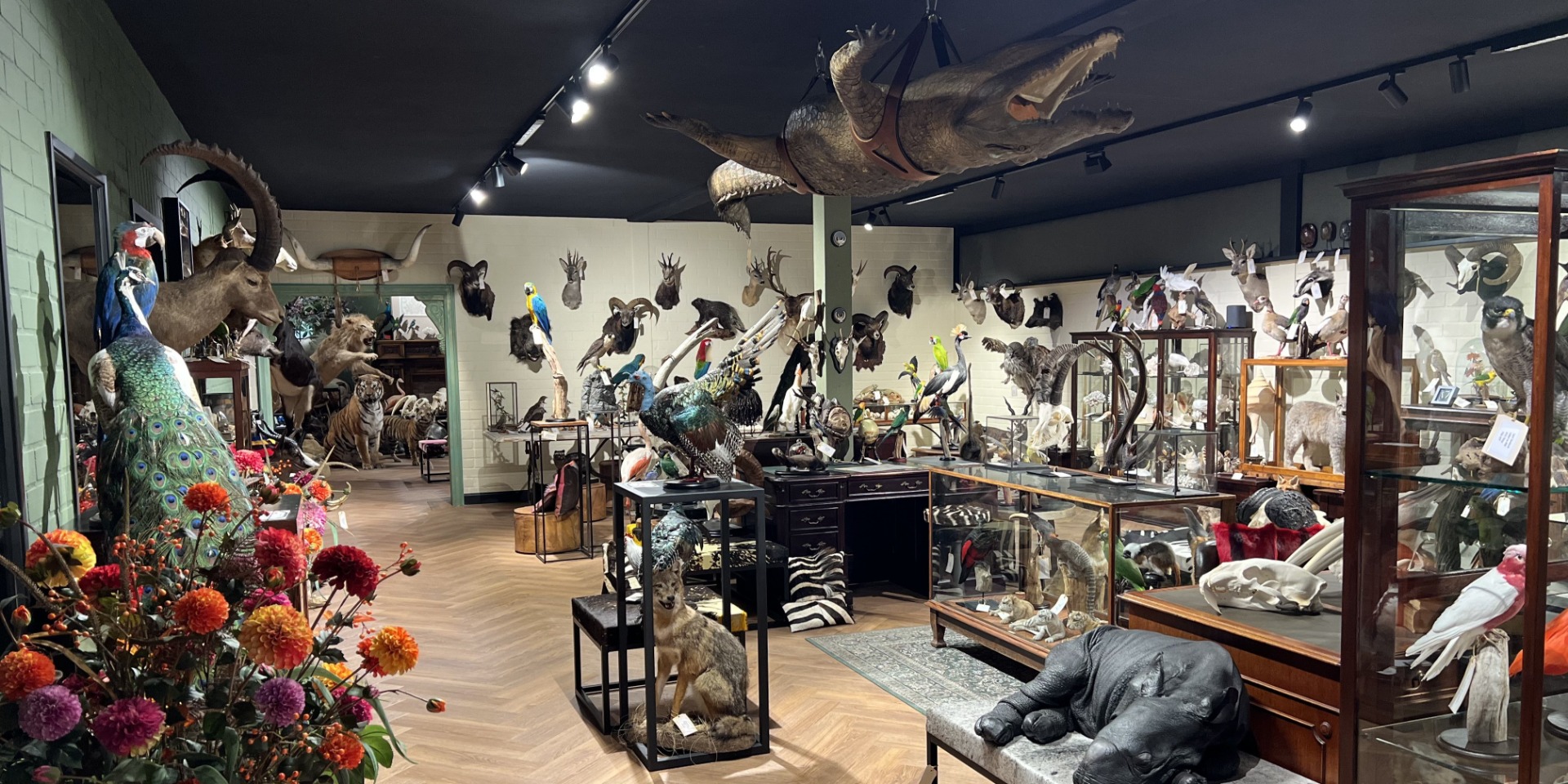
The taxidermy Pavo cristatus, better known as the Blue Peacock, is a true work of taxidermy art. This magnificent bird, native to the Indian subcontinent, is known for its dazzling plumage and majestic appearance. The Blue Peacock is one of the most recognisable birds in the world, especially because of the impressive fan of iridescent tail feathers that the males display during their mating rituals. These feathers are not only a feast for the eyes, but also play a crucial role in the communication and reproduction of the species.
The scientific name, Pavo cristatus, refers to the bird’s unique morphological characteristics. ‘Pavo’ is Latin for peacock, while ‘cristatus’ refers to the crest of feathers that adorns the bird’s head. This crest, together with the brightly coloured breast and the long train of tail feathers, makes the Blue Peacock one of the most beloved subjects in the world of taxidermy. Mounting a peacock requires a high degree of skill and attention to detail in order to preserve the bird’s natural beauty and posture.
Interestingly, Blue Peacocks have a surprisingly loud call, which is often compared to human shouting. This vocal ability is one of the ways in which they communicate within their social groups. In addition to their vocal communication and visual splendour, Blue Peacocks are also known for their curious and sometimes bold behaviour. They are intelligent and can adapt well to different environments, which makes them fascinating to both researchers and nature lovers.
The taxidermy Blue Peacock offers a unique opportunity to admire the beauty and complexity of this remarkable animal up close. As a fine example of taxidermy, it captures the essence of the Blue Peacock, making it not only a decorative piece, but also a tribute to the wonders of nature. It is a fascinating addition to any collection and provides a lasting reminder of the grace and splendour of Pavo cristatus.
Every mounted animal that By Max delivers is delivered with the necessary legal documents. This can be a CITES document, declaration of origin or just the invoice (this depends on the species). These documents guarantee the origin and legality of the preparation.
 EN
 NL
 DE
 FR