
Free delivery(excluding XL and glass transport)
Ordered before 14:00, dispatched today
Delivered from stock
Your purchase is protected with Trusted Shops 
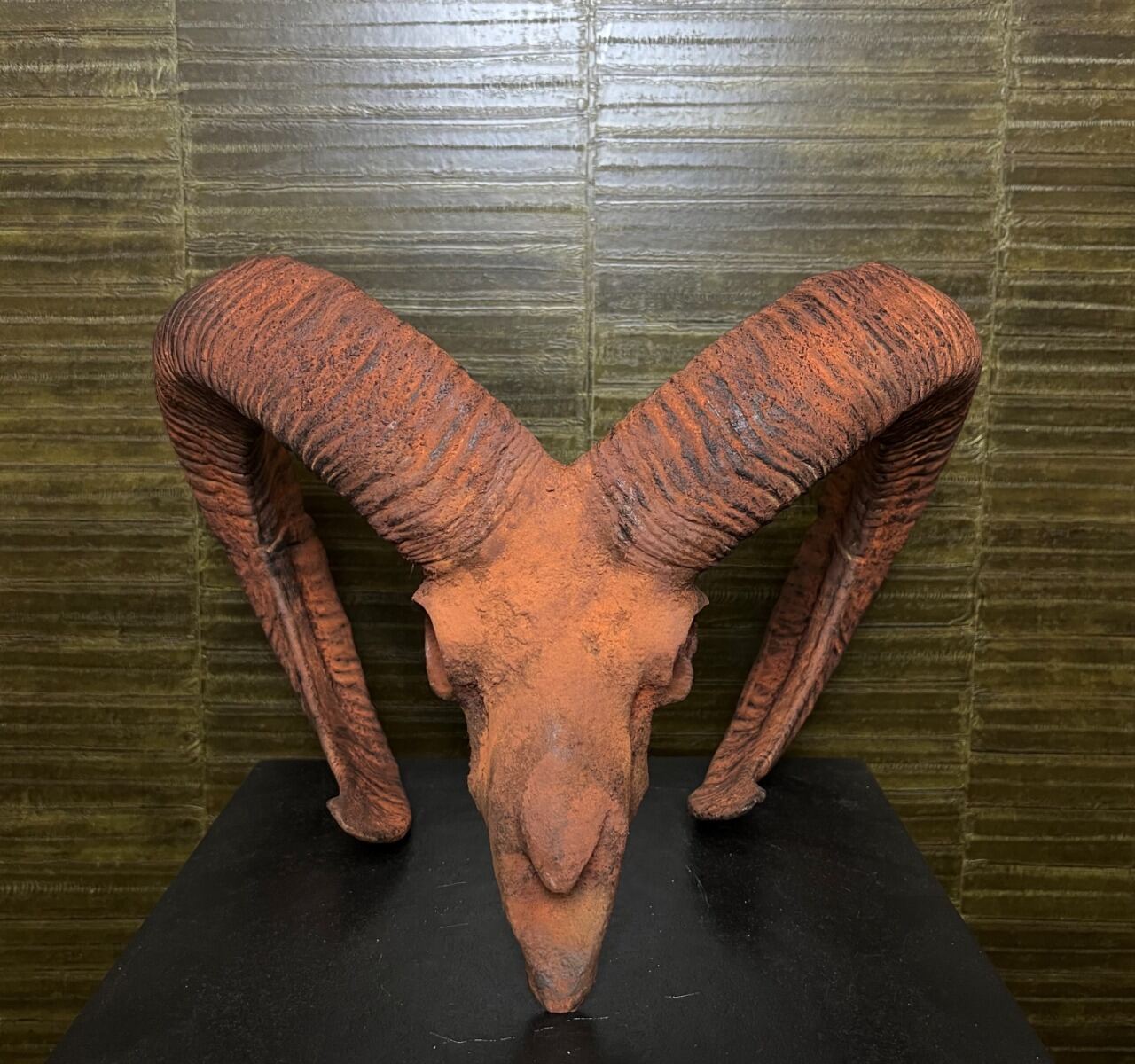
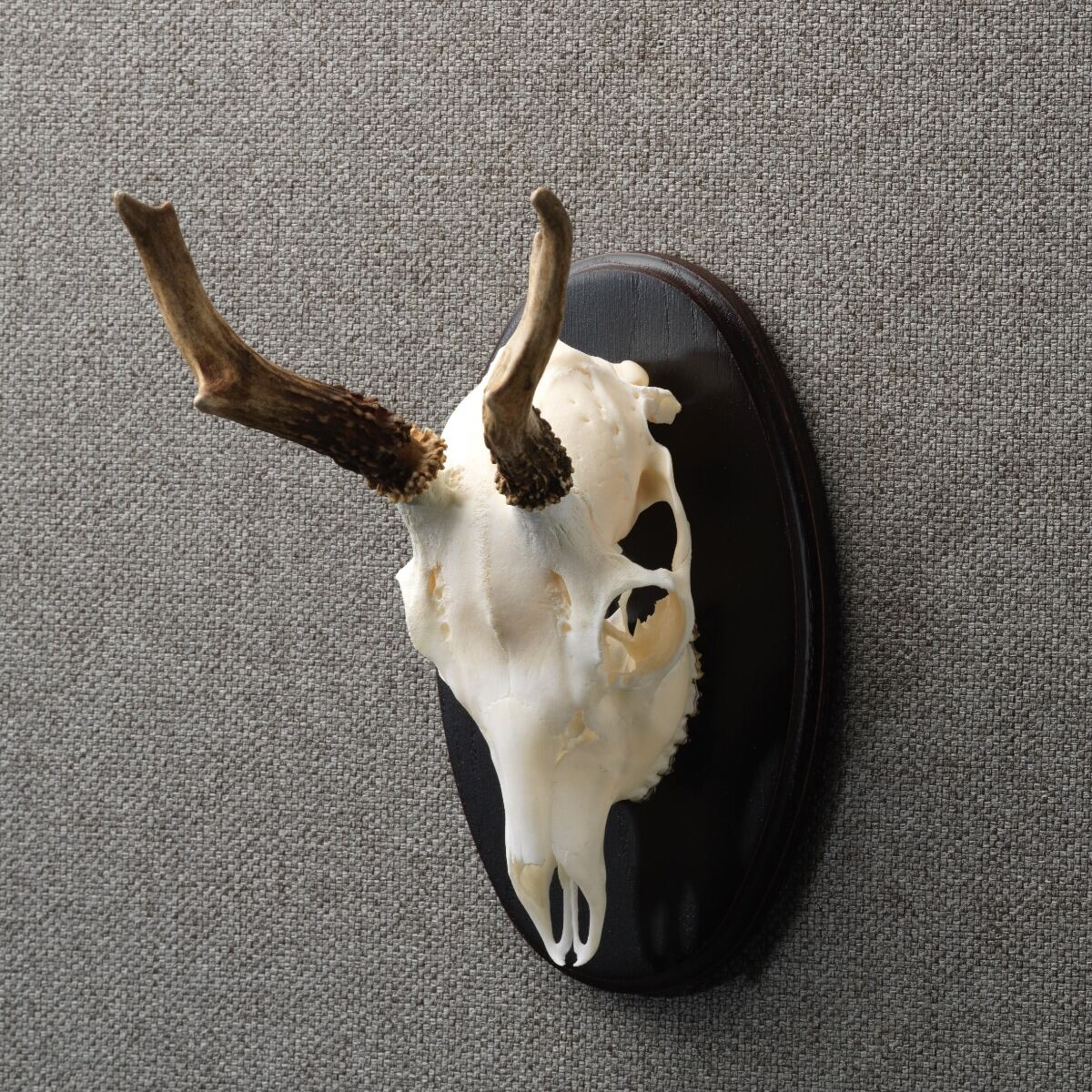
SKU: 4651 Blauwe Gnoe Schedel H64B68D17
The Connochaetes taurinus, better known as the blue wildebeest, is a fascinating animal found mainly in the grasslands and savannahs of Africa. This impressive herbivore is known for its robust build and distinctive horns. The blue wildebeest is one of the most recognisable antelopes, not only because of its unique appearance, but also because of its role in the famous annual migration in the Serengeti, where thousands of wildebeest, together with other hoofed animals, cover great distances in search of fresh grass and water. This phenomenon is one of the greatest natural wonders in the world and attracts many tourists every year who want to witness this spectacular spectacle.
Taxidermy is an art form that makes it possible to preserve the beauty and majesty of animals such as the blue wildebeest. A taxidermy skull of the Connochaetes taurinus not only offers a beautiful decorative element for any space, but also a piece of natural history that inspires admiration and curiosity. The process of taxidermy requires craftsmanship and attention to detail, so that each piece provides a lifelike representation of the animal. The result is an impressive work of art that pays tribute to the splendour of nature.
A fun fact about the blue wildebeest is that they play an important role in their ecosystem. They are not only an important food source for predators such as lions and hyenas, but their migration patterns also help to disperse seeds, contributing to the health of the grasslands. The strength and endurance of the blue wildebeest are admirable; they can travel long distances and run at speeds of up to 80 kilometres per hour when threatened.
A taxidermy 4651 blue wildebeest skull is a tribute to this remarkable animal and a reminder of the rich fauna of the African savannahs. It is a piece that not only captures the beauty of nature, but also tells the story of the wondrous journey these animals make every year.
Every mounted animal that By Max delivers is delivered with the necessary legal documents. This can be a CITES document, declaration of origin or just the invoice (this depends on the species). These documents guarantee the origin and legality of the preparation.
 EN
EN NL
NL DE
DE FR
FR