
Free delivery(excluding XL and glass transport)
Ordered before 14:00, dispatched today
Delivered from stock
Your purchase is protected with Trusted Shops 
SKU: 4591 Brilduiker Skelet H28B27D21
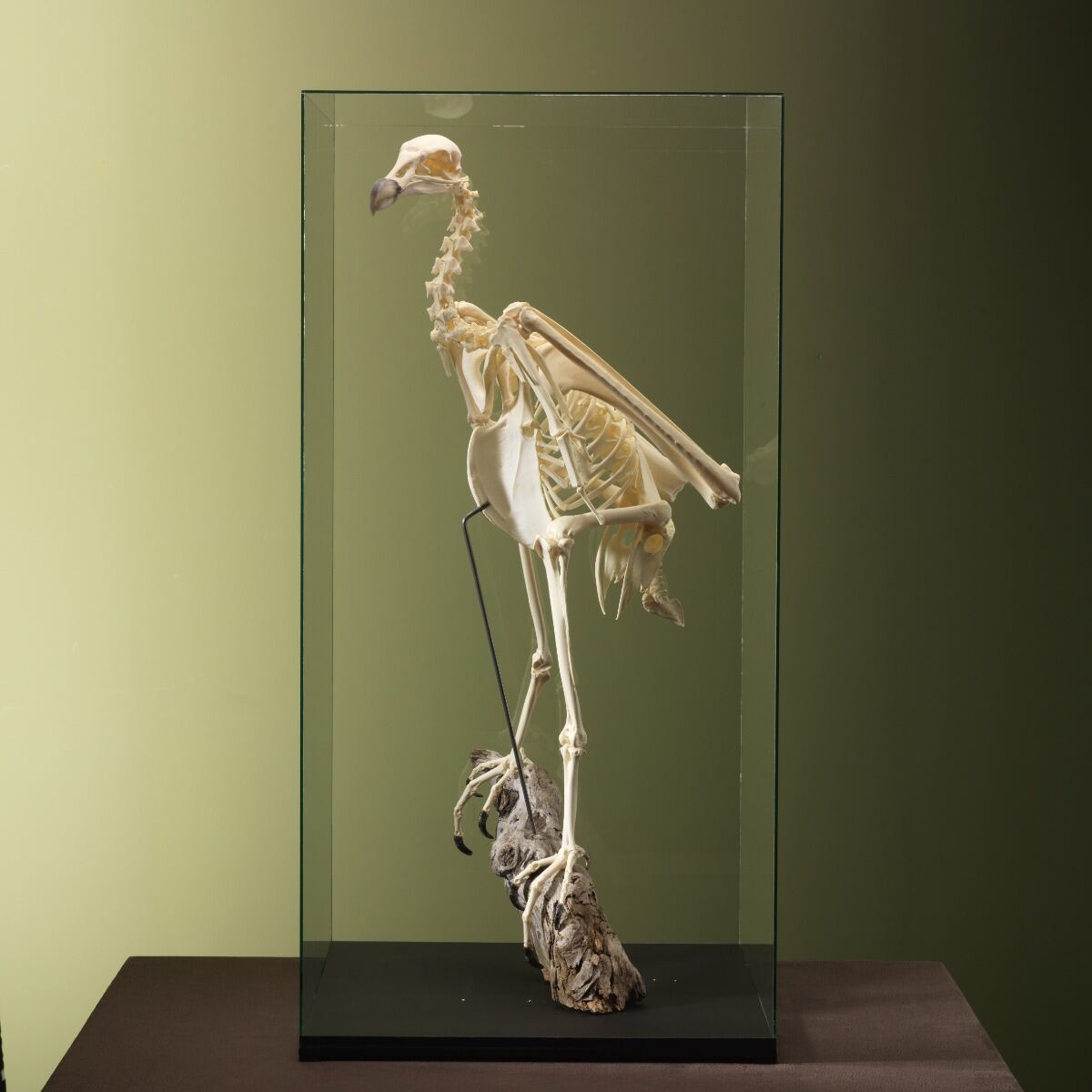
The common goldeneye, scientifically known as Bucephala clangula, is a fascinating waterbird belonging to the duck family. This animal can be recognised by its striking white patches on the cheeks and the iridescent green sheen on the male's head. The female has a more subdued appearance, with a brownish head and a greyish body colour. Common goldeneyes are mainly found in the northern parts of Europe, Asia and North America, where they spend their time in freshwater lakes, rivers and coastal areas. During the winter months, they migrate to more southerly regions to overwinter. An interesting fact about the common goldeneye is its unique breeding behaviour. The female often nests in tree cavities, sometimes at a considerable height above the ground. This is possible thanks to their strong wings, which enable them to fly quickly and agilely. Once the eggs have been laid and the young hatch, the little ducklings must make a daring jump from the nest to the ground or the water, a remarkable feat given their young age. The taxidermy of the common goldeneye offers a unique opportunity to study and appreciate this beautiful bird up close. Taxidermy enables us to preserve and display the beauty and anatomy of this bird, making it a valuable educational tool. Through taxidermy, we can gain a better understanding of the structure and characteristics of the common goldeneye, contributing to our insight into nature and the wonders it offers. The taxidermy skeleton of the common goldeneye is an impressive example of the complexity and diversity of avifauna. The fine details and precision with which the skeleton has been assembled offer a fascinating glimpse into the bird's anatomical structure. It shows the delicate balance between strength and lightness required for their unique lifestyle. Admiring a taxidermy common goldeneye can be an inspiring experience that increases our appreciation of nature and its inhabitants.
Every mounted animal that By Max delivers is delivered with the necessary legal documents. This can be a CITES document, declaration of origin or just the invoice (this depends on the species). These documents guarantee the origin and legality of the preparation.
 EN
EN NL
NL DE
DE FR
FR